

The printed materials don’t always get the attention they deserve because they often show just one fixed image that people quickly glance at and forget. Though you may take the time to create a fabulous design, it may still be lost amongst dozens of other printed materials that are all competing to capture the same audience. Before long, your message gets lost, and you miss the chance to make a lasting impression.
Lenticular printing offers a new approach there. Rather than using digital screens or animation, it creates flat images that you can see appear to move or change or have realistic depth as you view them at various angles with a set of specially designed lenses. The result is a printed piece that naturally makes people take a second look.
Here’s how it works and why it is so effective at capturing attention.
1. Create the Illusion of Movement in Static Images
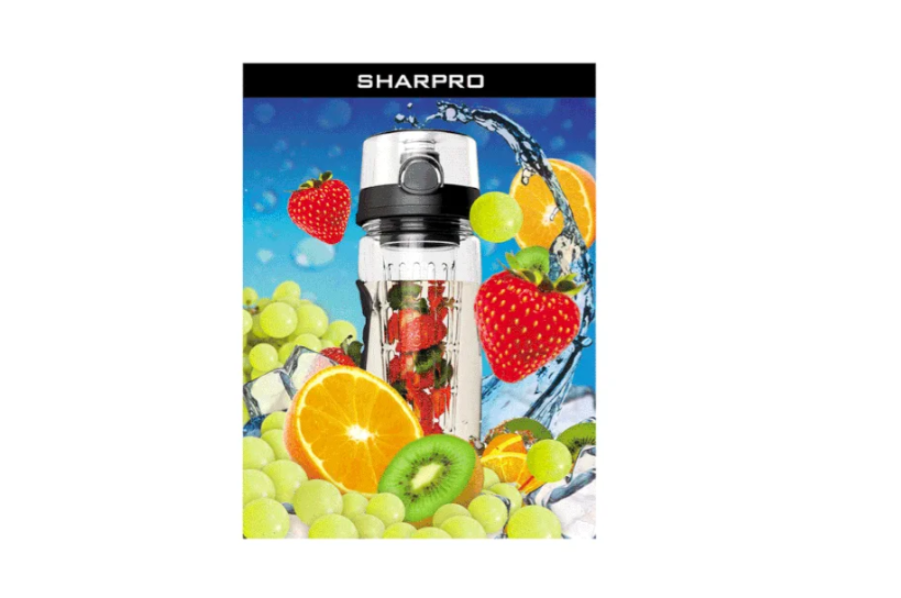
At first glance, lenticular printing looks like a regular printed piece. Then you move it, and something unexpected happens. That unexpected moment is what makes the technology so effective at grabbing your attention.
Here’s what makes it work. Rather than moving the actual artwork, special lenses are used to focus various sections of the image on your eyes as you view it from different angles. Your brain blends those changing views together, making the motion appear smooth and natural without using electronics or digital animation.
Since the movement is real, you tend to move more slowly and have a closer look at the design rather than a rapid glance. Each little change gives you a glimpse of something a little different, making you continue searching. And that’s how a flat printed image turns so much more appealing compared to a classic stationery design.
2. Reveal Different Images from Different Viewing Angles
The lenticular printing can do much more than movement. The same technology can also display completely different images depending on where you’re standing, allowing one printed piece to communicate more than one message. There is something new to discover with each new viewing angle.
Consider a postcard that has a sunny beach on one angle and a colorful sunset on the other angle. As you tilt the card, one scene smoothly changes into the next without altering the printed surface. The design reveals the visuals one by one as opposed to cramming several pictures on the page.
This gradual transformation makes this experience interesting since you don’t see everything at a time. You’re naturally prompted to move the print and find out what comes next. Such a feeling of discovery makes the message remain in your memory even when you have looked away.
3. Add Realistic Depth to Flat Two-Dimensional Graphics
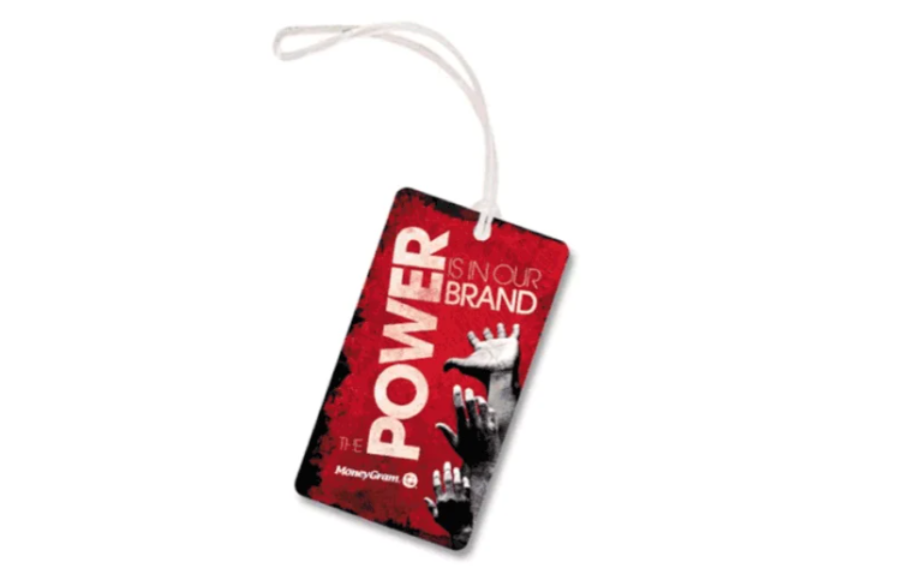
Changing images isn’t the only illusion this technology creates. Lenticular printing can also make a completely flat graphic appear to have real depth, giving ordinary artwork a more lifelike appearance. Even though the surface never changes, your eyes tell you there’s space between different parts of the image.
The secret behind this effect is the way your eyes process two slightly different views of the same artwork. Your brain combines those two views, just as it does when looking at real objects, creating the impression that some elements are closer while others sit farther back. That’s what gives the image its convincing three-dimensional look.
This enhanced realism makes the photos, illustrations, and product graphics more realistic and easier to explore. The important details will be naturally noticeable since they seem to occupy their position in the picture. The result is a richer viewing experience that retains your attention without giving the printed piece any physical dimension.
4. Blend Multiple Visual Effects into a Single Print
By now, you’ve seen how lenticular printing can create movement, reveal different images, and add depth. Even more impressive, it can combine several of these effects within a single printed piece. Instead of relying on one visual trick, it layers different effects together to create a richer experience.
For example, one area of the design might switch between two images, while another creates smooth animation or a realistic 3D effect. Another section can produce a morph or zoom effect, adding variety without making the artwork feel overwhelming. Each effect serves a different purpose while working together as one complete design.
Because several effects can exist in the same print, the experience feels fresh every time you interact with it. Rather than revealing everything at once, the design unfolds as your perspective changes. That layered experience makes one printed piece far more memorable than a traditional flat graphic.
5. Turn Passive Prints into Interactive Visual Experiences
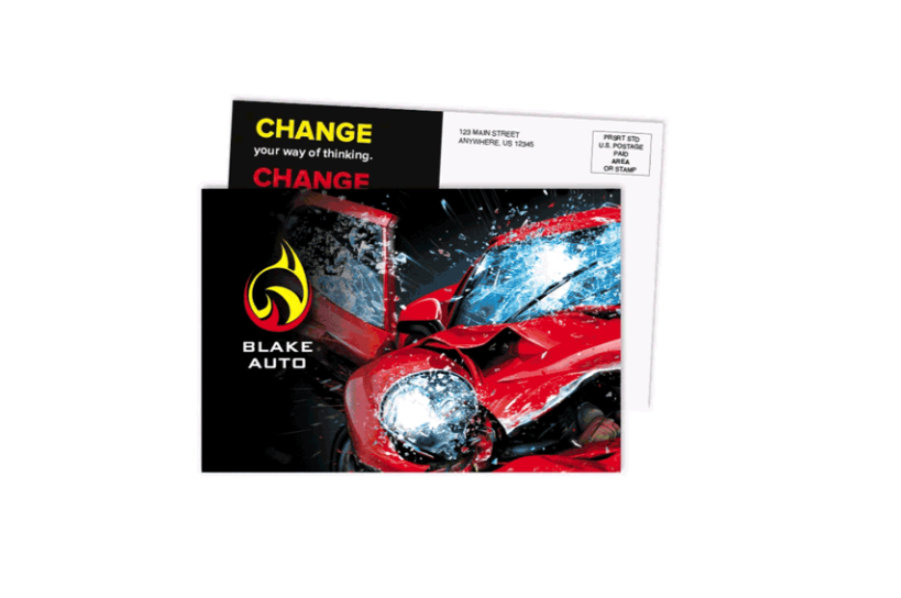
When these visual effects come together, you’re no longer just looking at a printed image—you’re interacting with it. Most people naturally tilt the print or change their viewing angle to see what happens next. The artwork stays the same, but your movement reveals a different view each time.
That simple interaction keeps people engaged longer than a standard printed piece. As they continue exploring, they notice details and changing perspectives they might have missed at first glance. Instead of revealing everything at once, the print rewards curiosity with every closer look.
That’s what makes lenticular printing different from traditional printing. It transforms a flat graphic into an experience that feels active and memorable without relying on digital technology. When people interact with a print instead of simply viewing it, the message becomes much harder to forget.
Conclusion
Lenticular printing transforms flat images into dynamic visuals by creating the illusion of movement, revealing different images from new angles, adding realistic depth, blending multiple visual effects, and encouraging natural interaction. Together, these features turn an ordinary printed piece into a memorable viewing experience.
The next time you see a printed image that appears to move or change, remember that the artwork isn’t moving at all. Carefully designed optical technology guides what your eyes see, showing that a simple sheet of printed material can create an experience that feels anything but ordinary.